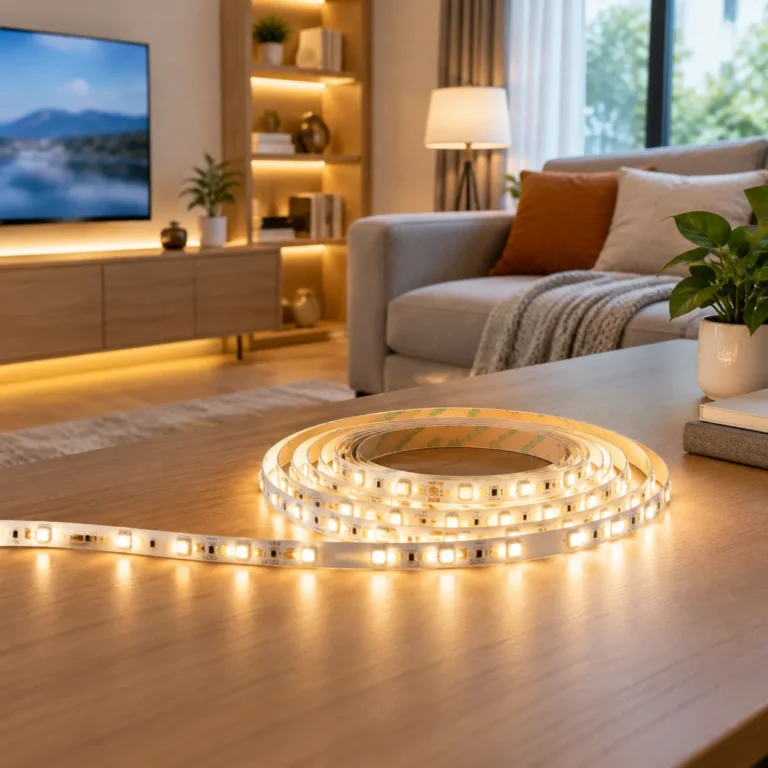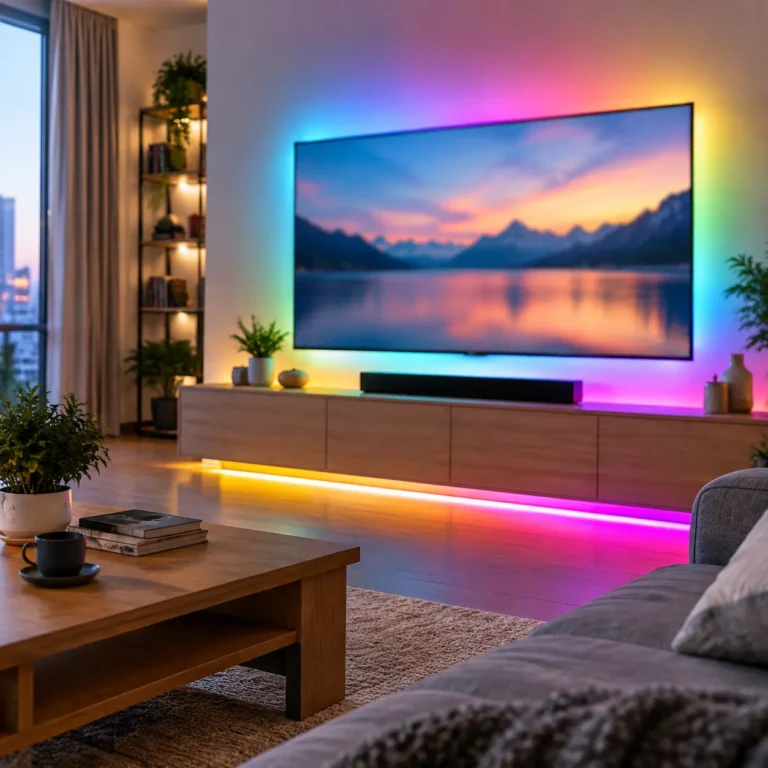
What is a COB LED Strip?
If you have ever installed lighting under a cabinet and noticed frustrating, distinct dots of light reflecting off your countertops, you already know the limitations of older lighting tech. A COB LED strip completely eliminates those visible hot spots, delivering a perfectly smooth line of illumination.
COB stands for \”Chip on Board.\” This technology represents a massive leap forward in how we manufacture flexible linear lighting.
How COB Technology Works
To understand why a COB LED strip looks so vastly different from traditional options, we need to look at how it is built.
- Traditional Manufacturing: Older SMD (Surface Mounted Device) strips use individual, pre-packaged LED diodes that are spaced out and soldered onto a circuit board. This spacing is what creates the dreaded \”dotted\” look.
- Chip on Board Manufacturing: With COB technology, we mount the bare LED chips directly onto the printed circuit board (PCB) at extremely high densities. There are no individual plastic packages separating the diodes.
The Secret to Dotless LED Strip Lighting
Mounting the chips closely together is only the first step. The real magic happens during the final coating phase.
Once the bare chips are bonded to the board, a continuous layer of phosphor is poured directly over the entire line of high density LED chips. This phosphor layer acts as a highly efficient, built-in diffuser. When the strip is powered on, the phosphor blends the light from hundreds of tightly packed microscopic chips into one seamless continuous LED light. The result is a flawless, dotless LED strip that provides perfectly uniform illumination right out of the box, without the need for thick aluminum channels or frosted covers. At LNLED, we engineer this phosphor coating to ensure consistent color temperatures and maximum luminous efficacy across every inch of the tape.
COB vs. SMD LED Strips: Understanding the Differences
When we compare modern lighting solutions, understanding the difference between SMD vs COB LED technology is essential for getting the right finish on your project. While traditional Surface Mounted Device (SMD) strips have served the industry well, the COB LED strip represents a massive leap forward in both design and performance.
Visual Output
The most obvious difference lies in the light quality. Standard SMD strips project visible light spots, often requiring deep aluminum channels and frosted covers to mask the harsh glare. COB technology eliminates this issue entirely, delivering a seamless continuous LED light. The continuous phosphor coating provides built-in diffusion, resulting in a completely dotless LED strip right out of the box.
Diode Density
SMD strips use individually packaged diodes spaced apart along the circuit board, which naturally creates gaps in the light beam. Conversely, a high density LED strip utilizing COB technology packs hundreds of microscopic LED chips directly onto the board per meter. This ultra-dense layout guarantees a perfectly solid line of illumination.
Flexibility and Durability
Because COB chips are bonded directly to the flexible printed circuit board (PCB) and protected by a continuous phosphor layer, they handle tight bends and awkward spaces far better than their SMD counterparts. You run a much lower risk of cracking a diode or snapping a delicate solder joint when wrapping the strip around corners.
Heat Dissipation
Heat is the enemy of LED longevity. Chip on Board designs feature superior thermal management because the chips are attached directly to the PCB. This allows heat to transfer and dissipate incredibly fast compared to traditional bulky SMD packaging, keeping the strip cooler and significantly extending its operational lifespan.
Quick Comparison
| Feature | COB LED Strip | SMD LED Strip |
|---|---|---|
| Visual Output | Seamless, continuous, dotless light | Visible light spots (individual diodes) |
| Diode Density | High density (typically 320 to 528+ LEDs/m) | Lower density (typically 60 to 120 LEDs/m) |
| Flexibility | Highly flexible, durable under stress | Stiffer, prone to damage at solder joints |
| Heat Dissipation | Excellent direct-to-board cooling | Standard, relies heavily on external aluminum profiles |
Key Benefits of Flexible COB LED Strips
When you upgrade to a cob led strip, the advantages over older technologies become obvious immediately. Whether you are outfitting a home kitchen or designing architectural linear lighting for a commercial space, these strips deliver premium performance.
Here is why a flexible COB LED tape light is the smart choice for your next lighting project:
- Completely Uniform Illumination: You get a seamless continuous LED light right out of the box. There is no need to spend extra money or space on deep, bulky aluminum diffusers to hide ugly light dots.
- Wider Beam Angle: Traditional strips typically max out around 120 degrees. COB technology pushes the beam angle up to 180 degrees, providing a much wider and more even light spread across your surfaces.
- Higher Energy Efficiency: These high density strips offer exceptional luminous efficacy. You get a brighter light output while consuming less power, keeping your energy costs low without sacrificing performance.
- Enhanced Aesthetic Appeal: Dotless LED strip lighting simply looks better. It delivers the sleek, high-end, modern finish that interior designers and homeowners in the US demand.
COB LED Strip Advantage
| Core Benefit | How It Improves Your Project |
|---|---|
| Dotless Output | Eliminates visible hot spots and harsh glare without extra diffusers. |
| Wider Spread | 180-degree beam angle covers significantly more surface area. |
| Better Efficiency | Delivers higher lumen output per watt compared to older SMD tech. |
| Premium Look | Elevates the design and ambiance of any residential or commercial space. |
If you are planning an upgrade and want to achieve that flawless glow, exploring our full range of premium lighting products will help you find the exact specifications you need to bring these modern benefits to your space.
Top Applications for Dotless LED Strips
The seamless, continuous light output of a dotless LED strip makes it incredibly versatile. Because there are no visible hotspots, these fixtures look incredible whether they are hidden out of sight or installed in plain view. I consistently see our high-density lighting solutions transforming everyday spaces into modern, high-end environments across the US.
Residential Lighting
Upgrading home lighting is one of the most popular uses for a COB LED strip. The completely uniform illumination makes a massive difference in daily living spaces.
- Under-Cabinet Kitchen Lighting: Standard strips often reflect ugly light dots on glossy granite or quartz countertops. COB strips eliminate this completely, providing smooth task lighting.
- Bedroom Cove Lighting: Placing continuous LED light along ceiling coves adds a soft, luxurious, and indirect glow to the bedroom without harsh glare.
- Vanity Mirrors: The seamless output provides flawless, shadow-free lighting perfect for bathrooms and dressing areas.
Commercial Spaces
For retail and hospitality, lighting dictates the mood and perceived value of the space. Architectural linear lighting demands precision, and COB technology delivers exactly that.
- Retail Displays: Highlighting merchandise with a smooth, no-spot LED tape ensures the focus remains entirely on the product rather than the light fixture itself.
- Hotel Lobbies: Creating welcoming, high-end atmospheres requires consistent, elegant accent lighting along reception desks and lounge areas.
- Architectural Accent Lighting: Outlining building features, hallways, and modern office spaces looks dramatically better with seamless continuous LED light.
Outdoor and Wet Locations
Lighting doesn\’t have to stay indoors. With the right waterproof protection, you can take this smooth lighting anywhere outside. If you are planning a large-scale exterior project, feel free to reach out to us to ensure you get the exact specifications required for safety and longevity.
- Landscape Borders: Outlining walkways, decks, and garden beds with a waterproof COB LED strip (IP65/IP67) adds both safety and striking nighttime curb appeal.
- Swimming Pool LED Strips: Fully submersible IP68 rated strips allow you to safely illuminate the inside of your pool or water features.
- Outdoor Neon Flex: For custom signage or building exteriors, a silicone neon flex light mimics the look of traditional glass neon but offers the durability, flexibility, and efficiency of modern COB technology.
How to Choose the Right COB LED Tape Light
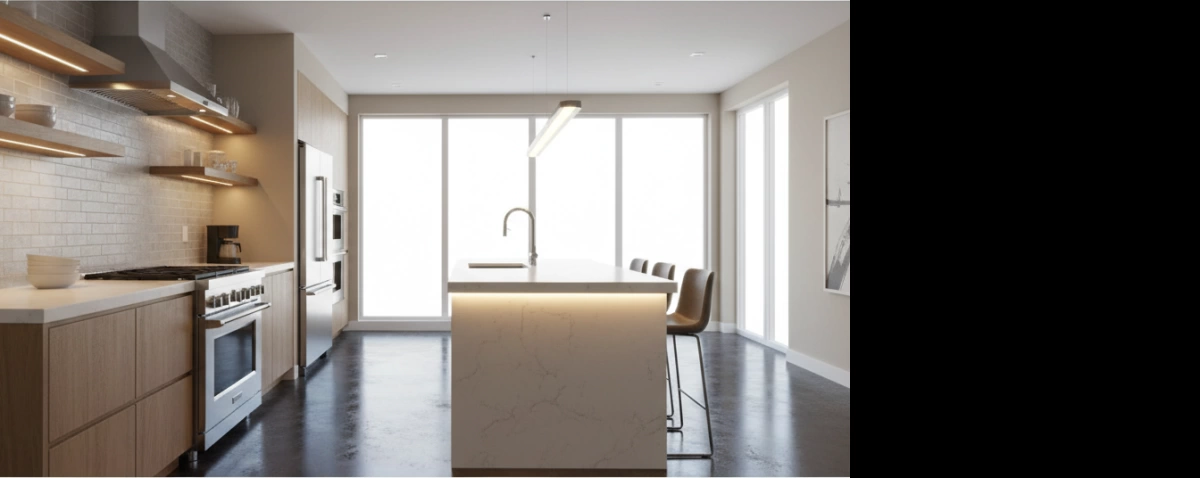
Finding the perfect cob led strip for your project comes down to matching the specifications with your space. When browsing our complete lighting lineup, keep these four critical factors in mind to ensure you get the best dotless LED strip lighting performance.
12V vs. 24V Power
Your run length dictates your voltage. We recommend 12V strips for smaller, localized projects like custom vanities or small cabinets. For longer, continuous linear runs spanning an entire room, always opt for a 24V COB LED strip. The higher voltage eliminates voltage drop, keeping the brightness completely uniform from end to end.
Color Temperature & RGB Options
Dialing in the right vibe is crucial for any residential or commercial build.
- Warm White (2700K-3000K): Ideal for cozy living rooms, bedrooms, and relaxed hospitality spaces.
- Neutral/Cool White (4000K-6000K): Best for high-focus task lighting in kitchens, garages, and retail displays.
- Dynamic RGB: Choose an RGB COB LED strip when you need seamless, vibrant, color-changing architectural accents.
IP Ratings Explained
You need the right physical protection for your specific environment.
| Environment | Recommended IP Rating | Best Use Case |
|---|---|---|
| Dry Indoor Spaces | IP20 | Living rooms, ceiling coves, and standard cabinets |
| Damp/Splash Zones | IP65 | Kitchen counters, bathrooms, and covered outdoor patios |
| Full Outdoor/Wet | IP67 / IP68 | A waterproof COB LED strip (IP65/IP67) or robust silicone neon flex light for landscapes and pool borders |
Brightness and Wattage Requirements
Always match the light output (lumens) to the project\’s actual purpose. Use low-lumen, lower-wattage flexible COB LED tape lights for subtle ambient glows or toe-kick lighting. For primary room illumination or task lighting, step up to high-lumen configurations. Properly sizing your power supply to handle the total wattage of your high-density LED strip is non-negotiable for a safe and durable installation.
Best Practices for COB LED Strip Installation
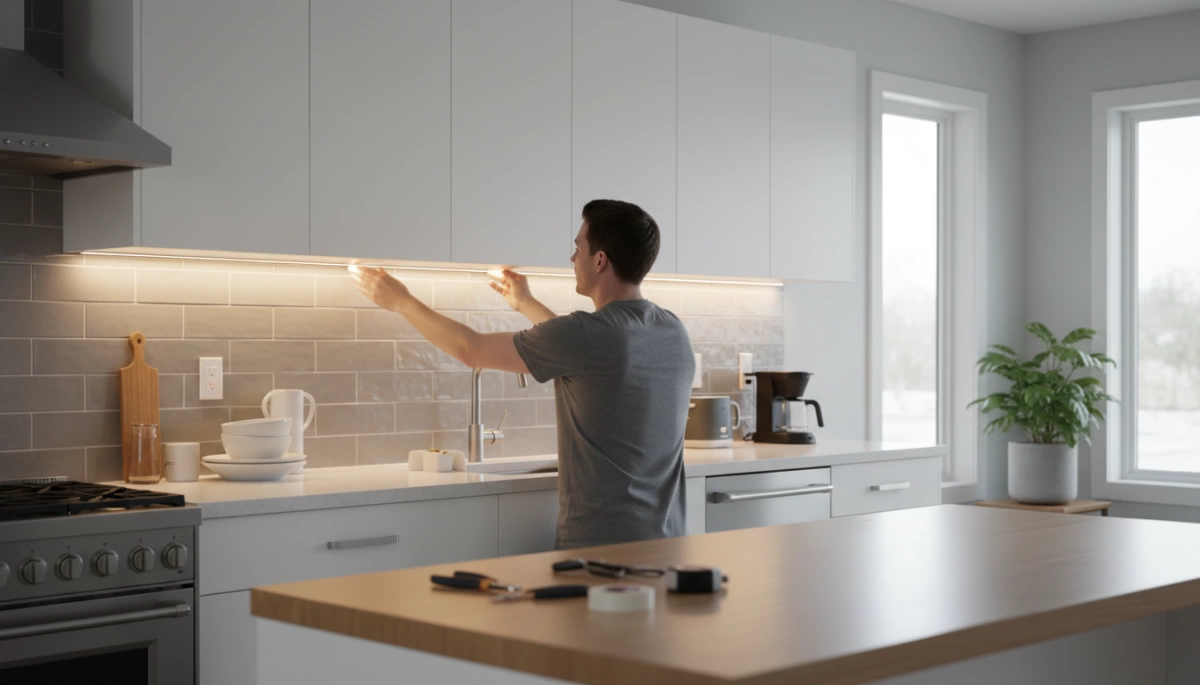
Installing a cob led strip is straightforward if you follow a few basic rules. Here is how I recommend handling your setup for a flawless, professional finish.
Cutting and Splicing Safely
You can easily customize the length of your dotless LED strip. Simply look for the designated copper pads located at regular intervals along the tape. Always cut straight across the center of these copper pads with sharp scissors. Cutting anywhere else will damage the circuit and create dead zones in your lighting.
Connecting Your Strips
When it comes to linking pieces together, you have two main options depending on your project needs:
- Soldering: This provides the most permanent, reliable connection. It is the best choice for long-term installations like architectural linear lighting.
- COB LED strip connectors: For a faster, plug-and-play setup, use solderless connectors. Make sure you buy connectors specifically made for high density LED strips so they grip the tape securely without damaging the phosphor coating.
Mounting and Heat Management
Proper mounting ensures your flexible cob led tape light stays properly aligned and lasts for years.
- Surface Preparation: Always wipe your mounting surface with rubbing alcohol to remove dust and grease before applying the adhesive backing.
- Aluminum Profiles: Chip on board LED technology already runs incredibly cool, but mounting your strip inside an aluminum extrusion provides excellent extra heat dissipation and a premium, finished look.
Powering and Avoiding Voltage Drop
To achieve completely uniform under cabinet lighting without dimming at the far end, you must size your power supply correctly. I always advise calculating your total strip wattage and adding a 20% buffer to prevent overworking the power unit. If you plan on doing longer, continuous runs, strongly consider using a 24V COB LED strip instead of a 12V model. The higher voltage significantly reduces voltage drop, ensuring your seamless continuous LED light remains brilliantly bright from the first diode to the last.
Frequently Asked Questions About COB LED Strips
Do COB LED strips need a diffuser?
No, they do not. The biggest advantage of a cob led strip is its built-in phosphor coating, which naturally creates a dotless led strip effect. You get a seamless continuous LED light right off the reel without dealing with hot spots. I only recommend adding an aluminum channel with a diffuser if you need extra physical protection or enhanced heat dissipation for your project.
Can you bend COB LED strips at a 90-degree angle?
While a flexible COB LED tape light easily bends up and down to follow smooth curves, you should never fold it sharply sideways into a hard 90-degree angle. Pinching the strip will damage the internal diodes. For clean, sharp corners in your layout, simply cut the tape at the designated copper pads and link the pieces together using reliable COB LED strip connectors.
How long can a continuous COB LED strip run be?
The maximum run length comes down to the voltage of your specific system to avoid voltage drop.
- 12V Systems: Typically max out at 16 feet (5 meters) before you experience a noticeable drop in brightness at the tail end.
- 24V Systems: Stepping up to a 24V COB LED strip allows you to push continuous runs up to 32 feet (10 meters) without losing any light intensity, making them perfect for larger architectural linear lighting setups.