Why Certification Matters for Commercial LED Projects
Selecting the right lighting for large-scale commercial installations goes far beyond brightness and color temperature. When sourcing lighting solutions, verifying compliance with the EN60598 LED strip standard and UL 8750 LED strip requirements is essential for protecting your project from regulatory delays, safety hazards, and costly replacements.
Uncertified lighting products introduce severe operational and financial risks to commercial builds:
- Regulatory and Customs Clearance: International shipments and local building inspections strictly enforce regional safety benchmarks. Non-compliant fixtures risk immediate rejection at customs or failed municipal inspections, halting project handovers.
- Fire and Electrical Safety: Commercial environments operate lighting continuously for extended hours. Certified LED strips undergo rigorous thermal management, insulation, and electrical load testing to prevent overheating and short circuits.
- Liability and Insurance Validity: Using unverified components in commercial buildings can void property insurance policies and expose contractors and project owners to legal liability in the event of an electrical failure.
- Long-Term System Reliability: Compliance with recognized global standards ensures consistent component quality, stable performance, and reduced maintenance costs over the lifespan of the installation.
Prioritizing certified LED strips from the initial specification stage secures smooth project approval and dependable long-term operation across global markets.
UL 8750: Key Safety Requirements for North America
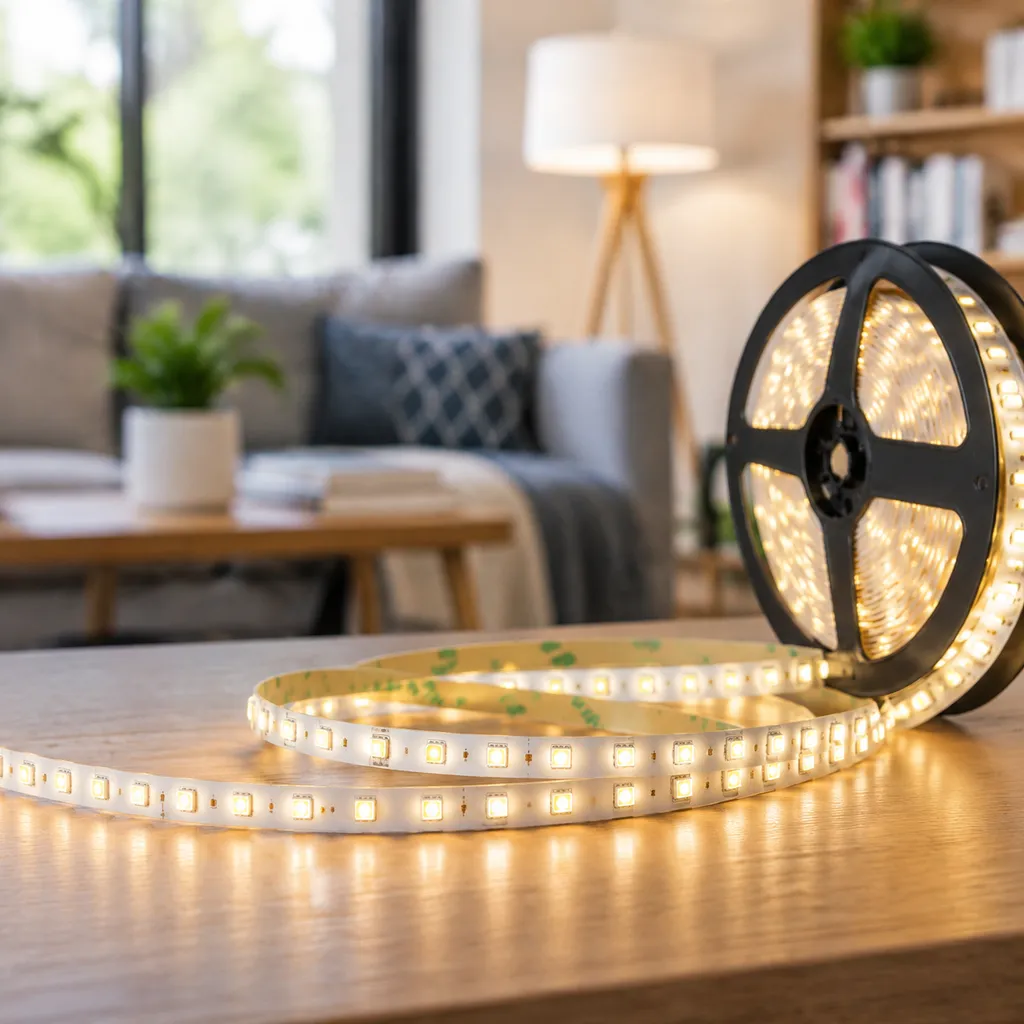
When we supply lighting for North American projects, meeting the UL 8750 LED strip safety standard is non-negotiable. Unlike general electronics standards, UL 8750 specifically evaluates LED equipment used in lighting products, ensuring your installation passes local electrical inspections without delays or safety hazards.
Whether you are specifying architectural linear runs or https://lnled.com/high-lumen-led-strip-bright-energy-efficient-https://lnled.com/high-lumen-led-strip-bright-energy-efficient-lighting/”>high-lumen LED strip lighting for commercial spaces, UL 8750 focuses on preventing fire and electric shock risks under real-world operating conditions.
Core Evaluation Areas Under UL 8750
| Safety Focus | What It Tests | Why It Matters on Site |
|---|---|---|
| Thermal Management | Operating temperatures of LEDs, drivers, and PCB traces | Prevents overheating inside aluminum channels or enclosed coves |
| Electrical Insulation | Spacing, creepage, and dielectric strength of circuits | Eliminates short circuits and electric shock hazards |
| Enclosure & Flammability | Fire resistance ratings (such as UL 94 V-0) of silicone and PCB materials | Stops flame spread in commercial ceilings and walls |
| Power Supply Compatibility | Class 2 low-voltage circuit limits and fault protection | Ensures safe pairing with constant-voltage LED drivers |
Key Takeaways for North American Buyers
- Class 2 Circuit Compliance: Most architectural tape lights rely on UL 8750 compliance paired with Class 2 power supplies, keeping voltage and energy levels within safe limits.
- Recognized vs. Listed Marks: We pay close attention to whether a strip carries a UL Recognized Component mark (for factory integration into fixtures) or a UL Listed mark (for field installation), ensuring inspectors approve the exact use case.
- Long-Term Reliability: Passing UL 8750 abnormal operation and endurance tests confirms the strip can handle continuous commercial duty cycles without degrading insulation.
EN 60598: EU Safety & Photometric Standard
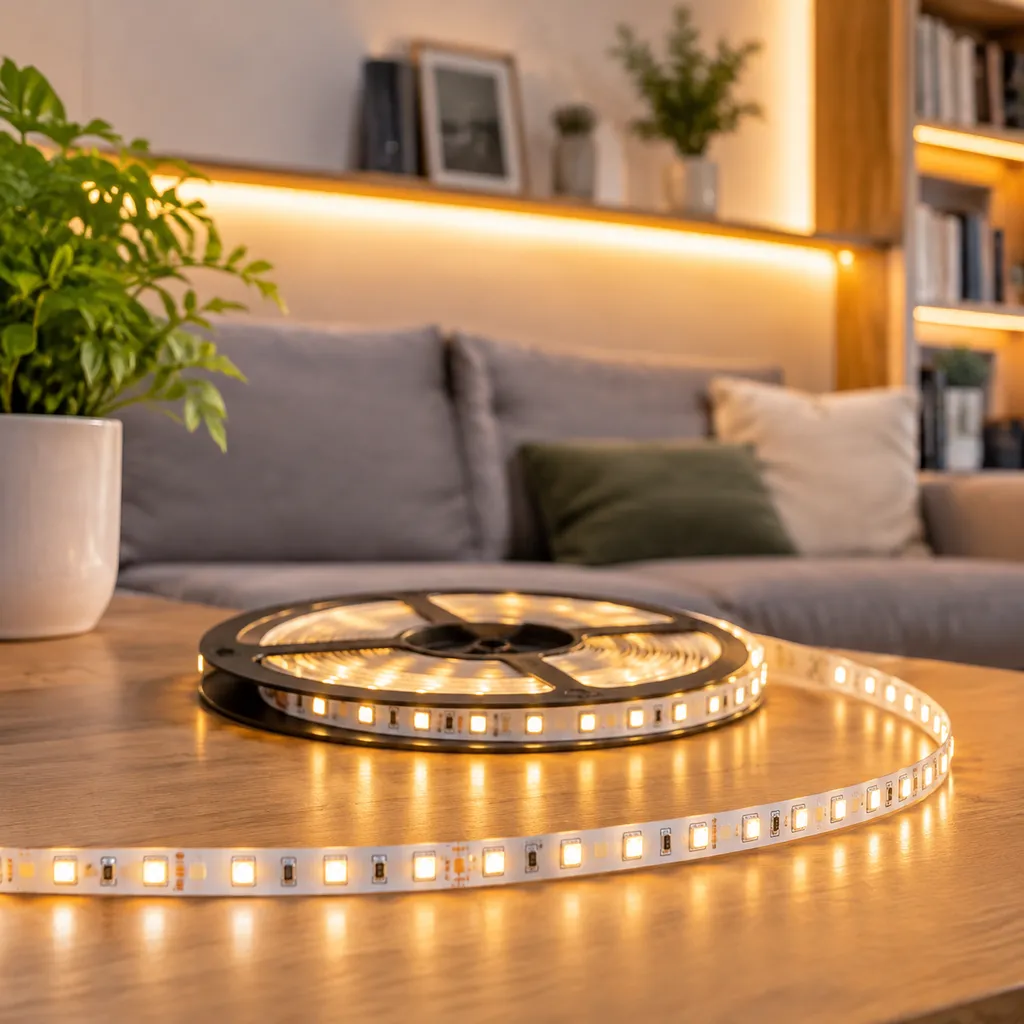
When we supply lighting for European commercial projects, meeting the EN60598 LED strip standard is a non-negotiable baseline for legal market entry and CE marking. Unlike North American standards that focus heavily on electrical fire risks, EN 60598 takes a comprehensive approach to both physical safety and light quality across the European Economic Area.
Core Compliance Pillars Under EN 60598
- Electrical & Thermal Protection: We ensure every strip is built to prevent electric shock, insulation breakdown, and dangerous overheating during continuous operation.
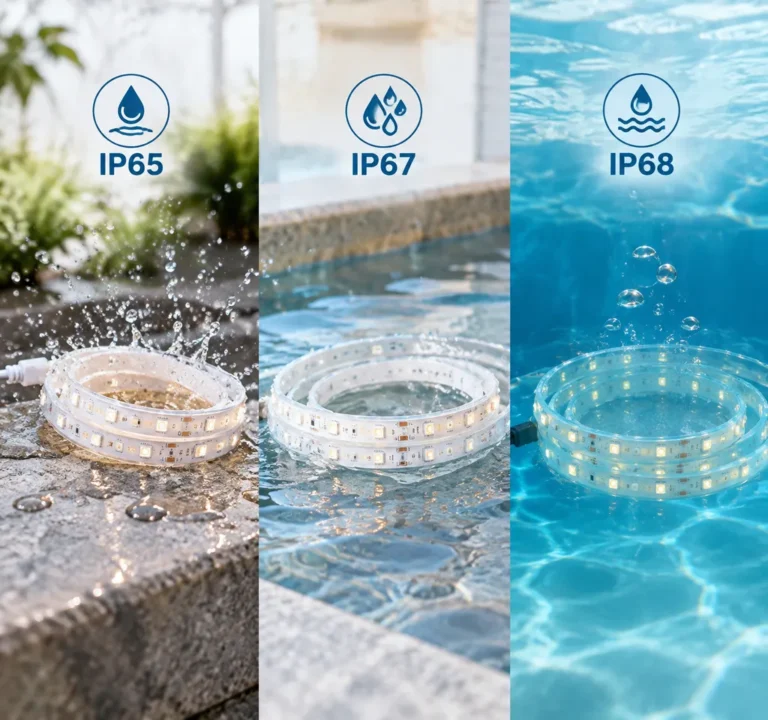
- Mechanical & Ingress Durability: Products are tested for structural integrity and verified against dust and moisture intrusion (IP ratings) to match specific installation environments.
- Photobiological Safety: Integrated testing aligns with IEC/EN 62471 to guarantee our LEDs emit safe levels of blue light and radiation for human eyes and skin.
- Photometric Consistency: Clear marking and verified optical performance ensure architects get the exact lumen output and color accuracy specified for their layouts.
Working directly with an experienced https://lnled.com/led-striphttps://lnled.com/led-strip-manufacturer/”>LED strip manufacturer ensures that these rigorous European safety and photometric benchmarks are engineered into the product from the PCB design stage, preventing costly customs delays or site rejections.
How LNLED Ensures Full Compliance with Global Standards
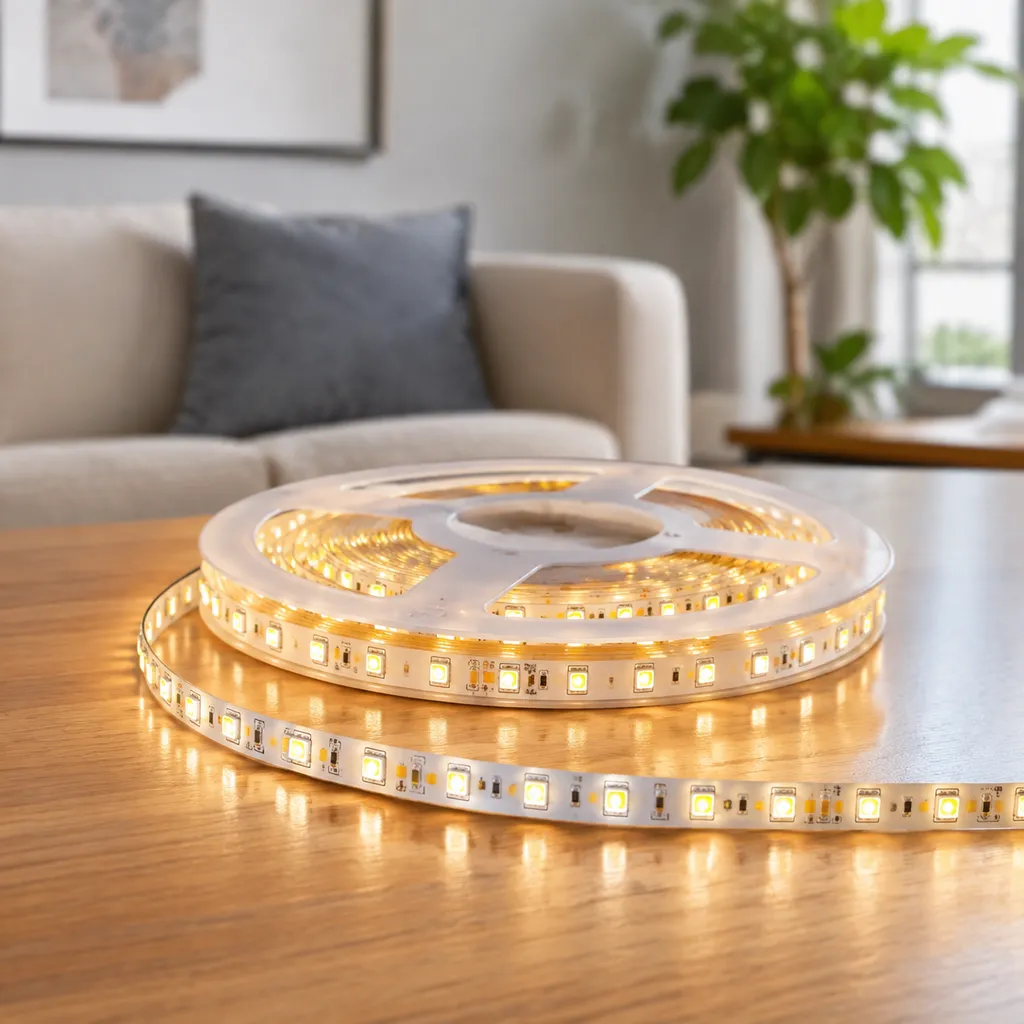
At LNLED, we build every lighting solution from the ground up to meet both the EN60598 LED strip standard and UL 8750 LED strip requirements. Because we supply commercial projects across global markets, we do not treat regulatory compliance as an afterthought—it is baked directly into our manufacturing and testing workflows.
Rigorous Material & Component Selection
We design our fixtures using verified, high-grade components that satisfy international electrical and thermal safety benchmarks:
Circuit Integrity: Our strips use durable, high-conductivity PCBs engineered to prevent overheating and electrical failure under continuous commercial operation.
Environmental Protection: When projects require moisture or dust resistance, we manufacture https://lnled.com/waterhttps://lnled.com/waterproof-led-strip-lights/”>waterproof LED strip lights that maintain strict insulation and ingress protection standards without compromising light output.
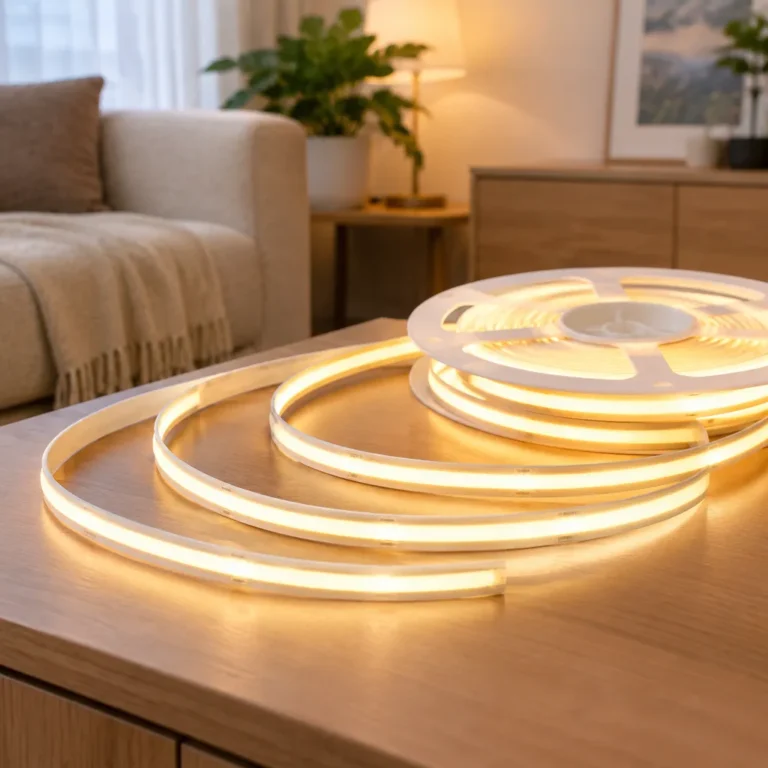
Consistent Illumination: Whether producing standard SMD reels or seamless https://lnled.com/cob-led-https://lnled.com/cob-led-strip/”>COB LED strip runs, we strictly control binning and phosphor quality to meet European photometric and color-consistency criteria.
In-House Verification & Quality Control
Before any batch leaves our facility, we run comprehensive quality checks to ensure smooth customs clearance and hassle-free on-site inspections:
| Compliance Focus | How We Verify Every Production Run |
|---|---|
| Electrical & Thermal Safety | Full load aging tests and insulation checks aligned with UL 8750 and EN 60598 safety parameters. |
| Optical & Photometric Accuracy | Integrating sphere testing to verify lumen output, color rendering, and chromaticity stability. |
| Traceability & Documentation | Batch-level tracking paired with complete technical datasheets and compliance documentation for contractors and engineers. |
By controlling both component sourcing and final batch testing, we make sure our partners receive reliable, audit-ready LED strip lighting that passes regional inspections the first time.
How to Verify Authentic LED Strip Certifications
Before signing off on any commercial lighting order, I always recommend verifying compliance documents directly rather than taking a supplier’s spec sheet at face value. Fake or expired paperwork creates massive liability during building inspections, especially when dealing with a UL 8750 LED strip or an EN60598 LED strip standard requirement.
Here is my quick process for confirming authentic safety credentials:
- Check the UL File Number: Every legitimate UL-listed product carries a unique file number (usually starting with “E”). I always cross-reference this number directly in the official UL Product iQ database to confirm the exact model numbers and factory location match.
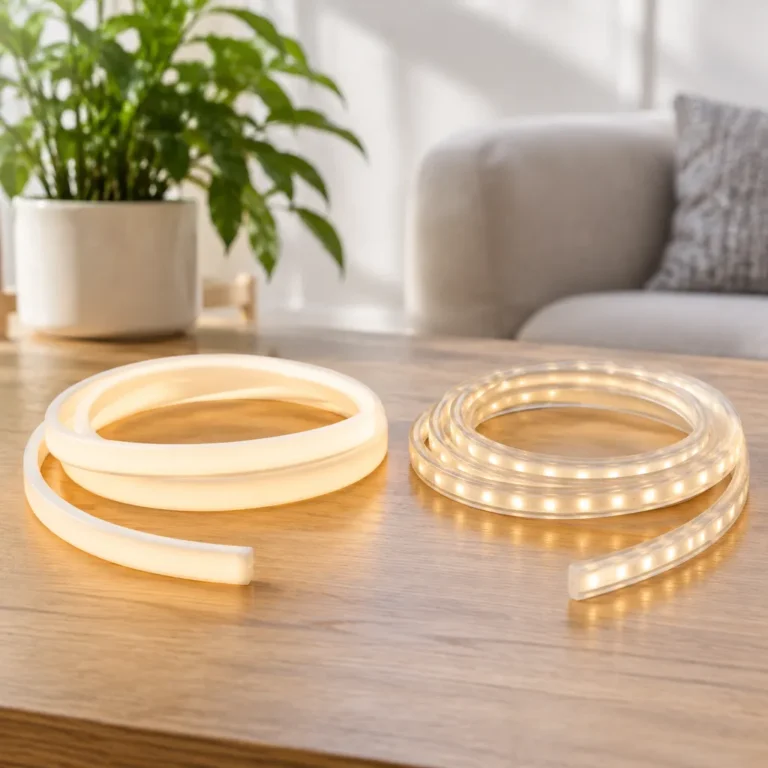
- Inspect the EN 60598 Test Report: For European projects, ask for the full accredited lab test report rather than just a basic CE self-declaration. Verify that the testing lab holds recognized accreditation (such as ILAC or CNAS) and that the report explicitly covers the specific product family you are buying, whether that is a standard https://lnled.com/sob-ledhttps://lnled.com/sob-led-strip/”>SOB LED strip or a specialized neon LED strip.
- Match Physical Markings: When samples arrive, inspect the PCB and packaging directly. Authentic products feature crisp, permanent laser-etched or printed certification logos alongside the exact electrical ratings listed on the lab paperwork.
- Confirm Driver Compatibility: Certification often applies to the complete lighting system. Double-check that the LED strip’s voltage and class ratings align with the certified power supplies specified for your project.